What a flood control curve is, and how snowmelt timing moves it
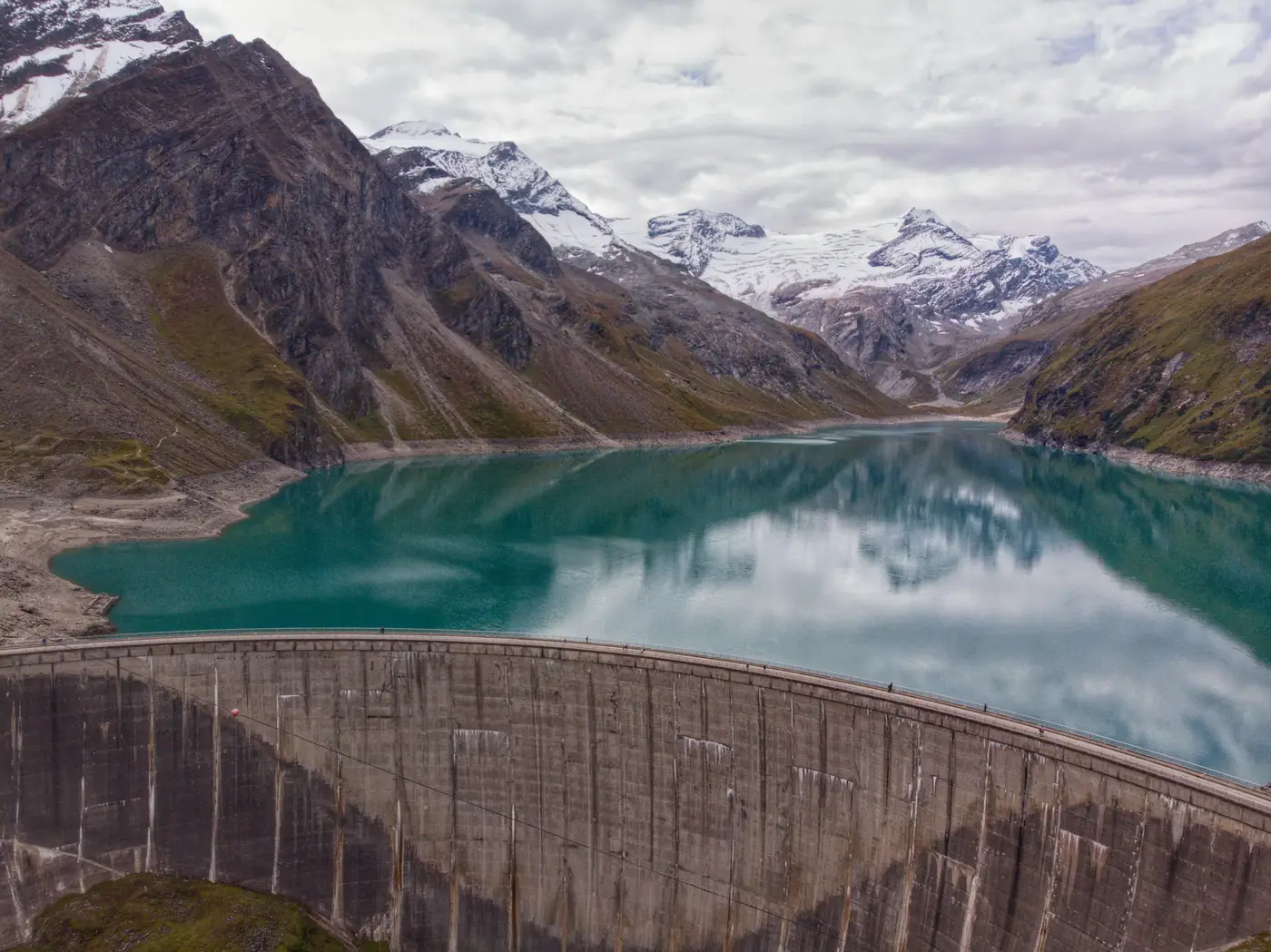
A rule curve is the schedule that tells a reservoir operator how full the pool is allowed to be on any given day of the year. The flood control curve, sometimes called the flood control pool line, is the part of that schedule that sets aside empty space, usually in the upper part of the reservoir, so there's room to catch a flood without spilling uncontrolled or threatening the dam. Below that line is conservation storage, water held for irrigation, municipal supply, hydropower, whatever the project is built for. Above it, up to the top of the flood pool, is space that's supposed to stay empty through the high-risk season.
The curve isn't static. Most water control manuals step it down through winter and early spring, then let the pool refill once the flood season is judged to be over. The date that step happens, and how fast storage comes back afterward, is baked into the manual based on decades of average timing. That's the part snowmelt keeps breaking.
Why the curve needs flood space at all
A reservoir can't just fill to the brim and hope. If a basin produces a big runoff pulse and there's no empty volume to absorb it, the only options are an uncontrolled release through the spillway or a release that exceeds downstream channel capacity. Either one turns a storage problem into a flood on somebody's floodplain. The flood control pool exists so operators have a buffer: inflow comes in, some of it gets stored temporarily, and outflow gets metered down to something the channel can carry.
How much space has to be evacuated, and by when, comes out of the rule curve's seasonal schedule. In a snowmelt-driven basin, that schedule is really a bet on when the pack is going to turn into river flow.
Where snowmelt timing breaks the schedule
Rule curves were mostly drawn up using long-run climatology: average snow accumulation, average melt onset, average runoff volume. The problem is that none of those averages describe this year's basin. A pack that holds on two or three weeks past the historical median pushes the peak melt pulse later than the manual's step-down date assumed, so the reservoir may be refilling conservation storage right as the real runoff spike shows up. A pack that melts out early does the opposite: the operator evacuates flood space on schedule and then watches a dry spring with storage targets missed and conservation pool short for the summer.
Both failure modes trace back to the same gap: the curve is a calendar-based proxy for a snow-condition-based event, and the two only line up in an average year.
This is where knowing the real state of the snowpack, not the climatological date of its average disappearance, changes the operating decision. A forecast desk that can see which parts of the basin still carry snow and which have gone bare gets a read on how much melt is still coming and how fast it's likely to arrive, instead of relying on the manual's assumed timing. That's closer to running the reservoir against the basin sitting up there this year.
What tracking melt-out changes in practice
For an operator, the practical question behind "should I be evacuating flood space right now" is really "how much snow-water is left up there, and is it going now or in three weeks." Snow Cover Monitoring was built around that question: it classifies snow extent daily and marks when melt-out happens basin by basin, so a forecast desk can watch the snowline pull back in close to real time instead of waiting on an infrequent field survey or a single seasonal satellite pass. Basins don't melt out on the same day every year, and the ones that run early or late are usually the ones where sticking to the manual's default schedule costs the most storage or the most risk.
None of this replaces the rule curve. The curve still sets the legal and engineering limits on where the pool can sit. What changes is the confidence behind the decision to evacuate early, hold the line, or let refill start, because the operator is working from where the snow stands this week rather than where it stands in an average year.
If your desk is trying to time flood pool evacuation against a basin that isn't melting on the textbook schedule, see how daily snow cover tracking works for your watershed.